

Intense Pulsed Light (IPL) Therapy for Dry Eye
Health Canada & FDA-Approved Treatment for Meibomian Gland Dysfunction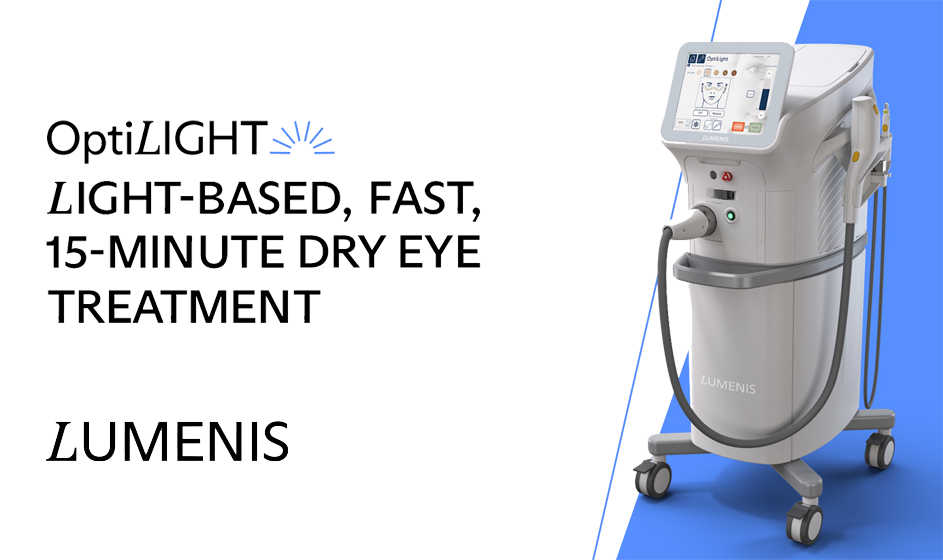
About the Lumenis OptiLight
We are proud to offer the Lumenis OptiLight, the first and only Health Canada & FDA-approved IPL device specifically designed for the management of dry eye disease due to Meibomian Gland Dysfunction (MGD). This advanced technology brings proven relief to patients suffering from chronic dry eye symptoms.
What is Meibomian Gland Dysfunction?
Meibomian glands are oil-producing structures in your eyelids that are critical for maintaining a healthy tear film. When these glands become blocked or dysfunctional (MGD), the oil layer of your tears becomes inadequate, leading to rapid tear evaporation and the uncomfortable symptoms of dry eye disease.
How IPL Therapy Works
Intense Pulsed Light therapy uses precisely calibrated light energy to treat the underlying causes of dry eye. The treatment works through several scientifically-proven mechanisms:
- Thermal Effect: The light energy warms the meibomian glands, softening the hardened oils (meibum) and enabling better secretion onto the tear film.
- Vascular Targeting: IPL selectively targets abnormal blood vessels (telangiectasia) around the eyelids. Light energy is absorbed by hemoglobin in these vessels, causing localized closure and reducing the reservoir of inflammatory mediators that contribute to MGD.
- Anti-inflammatory Action: By reducing abnormal blood vessels and bacterial proliferation at the eyelid margin, IPL decreases pro-inflammatory markers that perpetuate dry eye disease.
Clinical Evidence & Safety
IPL therapy for dry eye is supported by substantial scientific research:
- A 2024 systematic review and meta-analysis found that IPL results in clinically relevant reduction in dry eye symptoms compared to placebo treatments.
- Meta-analysis studies demonstrate significant improvements in:
- Ocular Surface Disease Index (OSDI) scores
- Tear Break-Up Time (TBUT) - up to 2.4 seconds improvement
- Tear osmolarity
- Meibomian gland expressibility
- Multiple studies confirm that IPL effectively improves eye function, alleviates clinical symptoms, and has an excellent safety profile.
- The treatment is non-invasive and well-tolerated by patients, with only rare minor side effects such as mild temporary discomfort.
What to Expect
IPL treatment typically involves a series of sessions spaced about two weeks apart. The procedure is performed in-office and is quick and comfortable. Many patients experience significant improvement in their dry eye symptoms, including reduced burning, grittiness, redness, and light sensitivity.
References
- Effectiveness and safety of intense pulsed light therapy for dry eye symptoms due to meibomian gland dysfunction - PubMed 2024
- Efficacy of intense pulsed light therapy on signs and symptoms of dry eye disease: A meta-analysis and systematic review - PMC
- Intense Pulsed Light Therapy in The Treatment Of Meibomian Gland Dysfunction: Current Perspectives - PMC
- Pulsed Light Therapy in the Management of Dry Eye Disease: Current Perspectives - PMC
- Intense Pulsed Light (IPL) Therapy - EyeWiki
- Lumenis OptiLight - Official Product Information